Nuestra Madre Indígena
Charcoal, 40x50in, 2026.


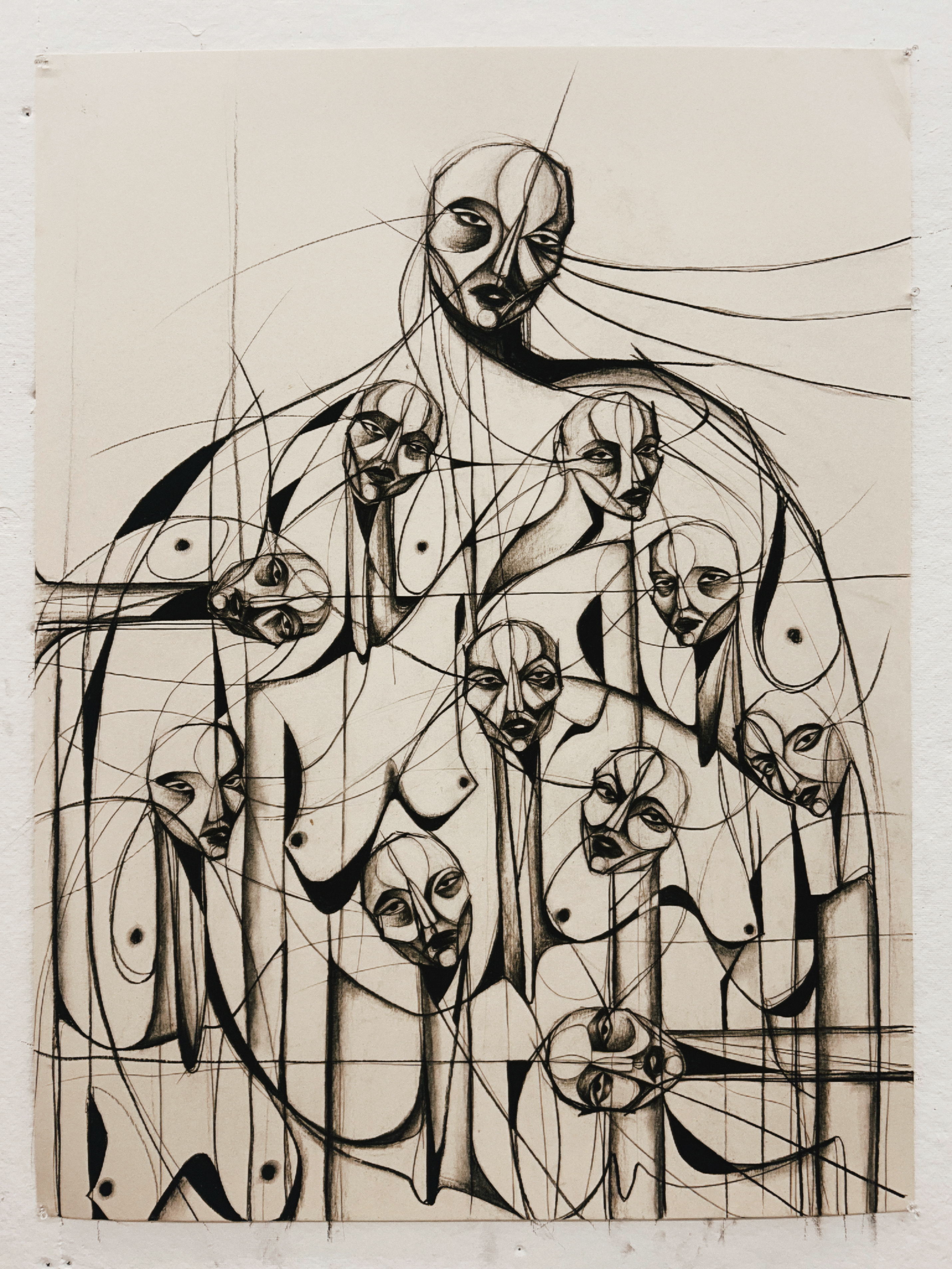
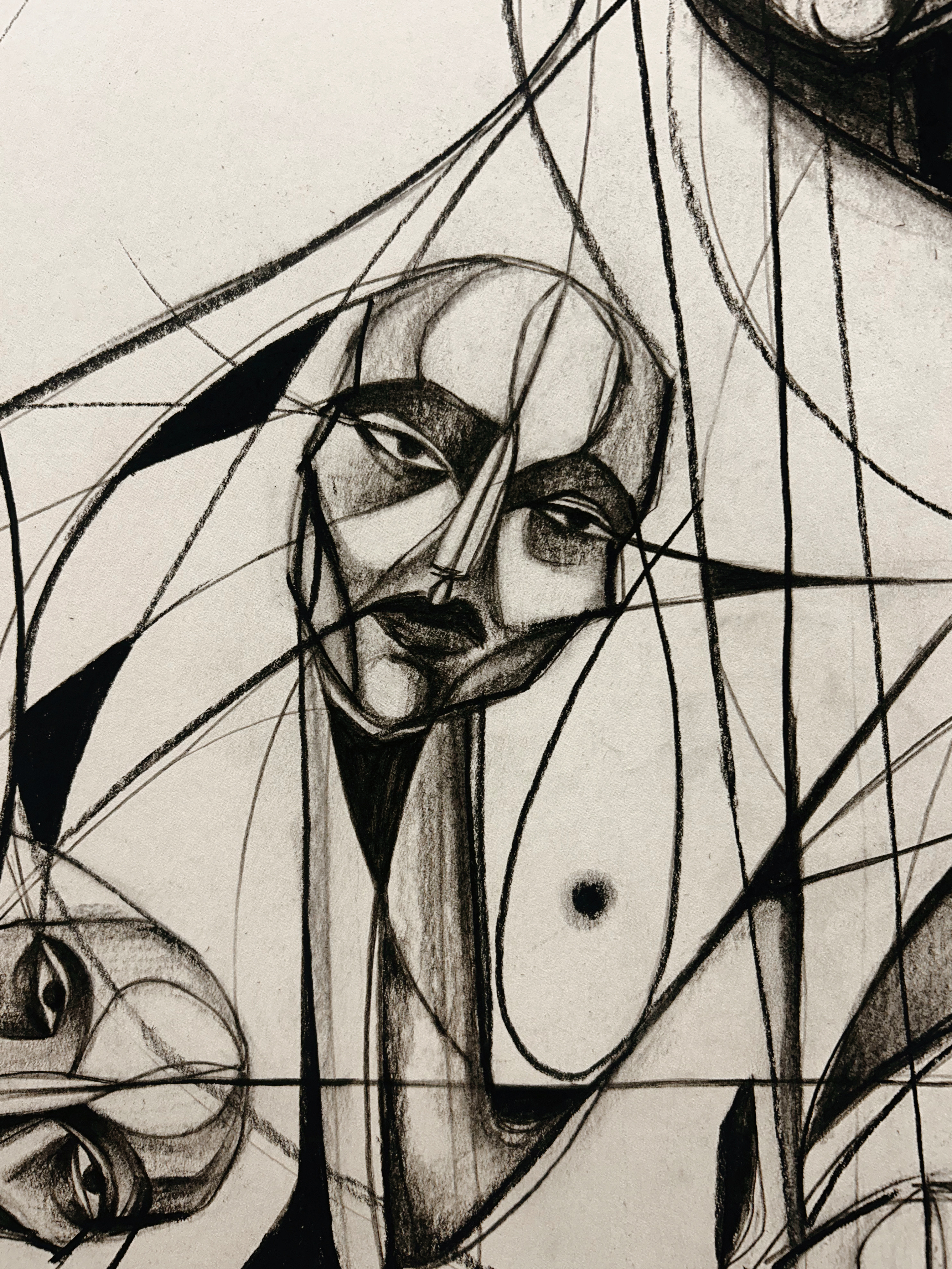
A Harvard study traces the roots of machismo — a legacy of gendered violence woven into the history of Latin America — back to La Conquista, the period of Spanish colonization.
“La Conquista created “mestizos” or people with shared Spanish and indigenous ancestry. Psychologists suggest “mestizaje” creates a condition where mestizos envy their Spanish father and despise their Indian mother.” (Ines de la Morena, 2020)
The mestizo son experiences a psychological conflict: admiration for their Spanish father and rejection of their Indigenous mother. The coping mechanism of siding with power rather than pain was the beginning of the “macho man”. He who can’t respect his mother, cannot respect women. Internalized colonial hierarchies shaped attitudes towards women - she was the mirror of the raped, abused, colonized side of himself he could not bare to see. The wound echoed across generations, settling into culture, language, and social dynamics.
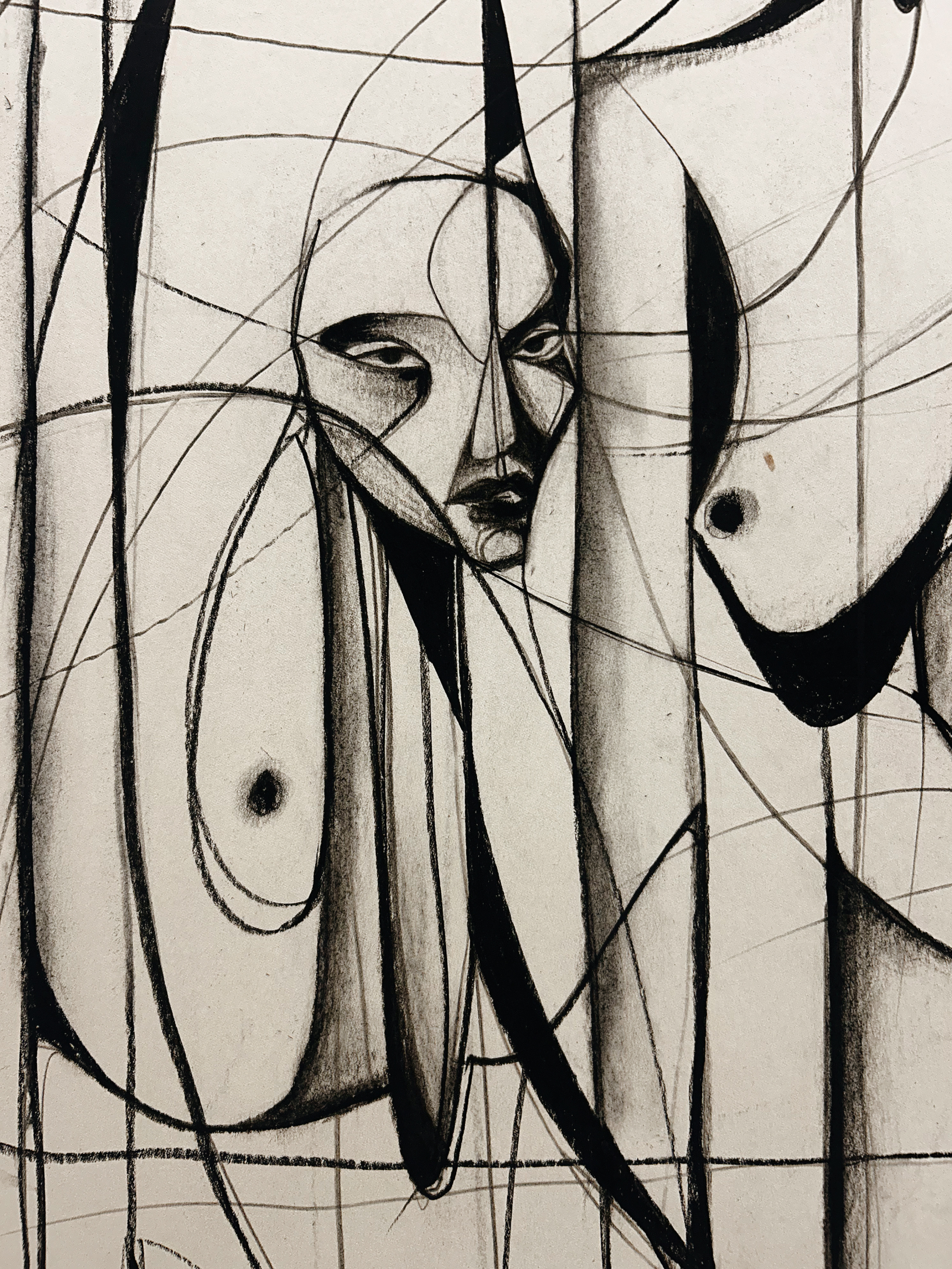
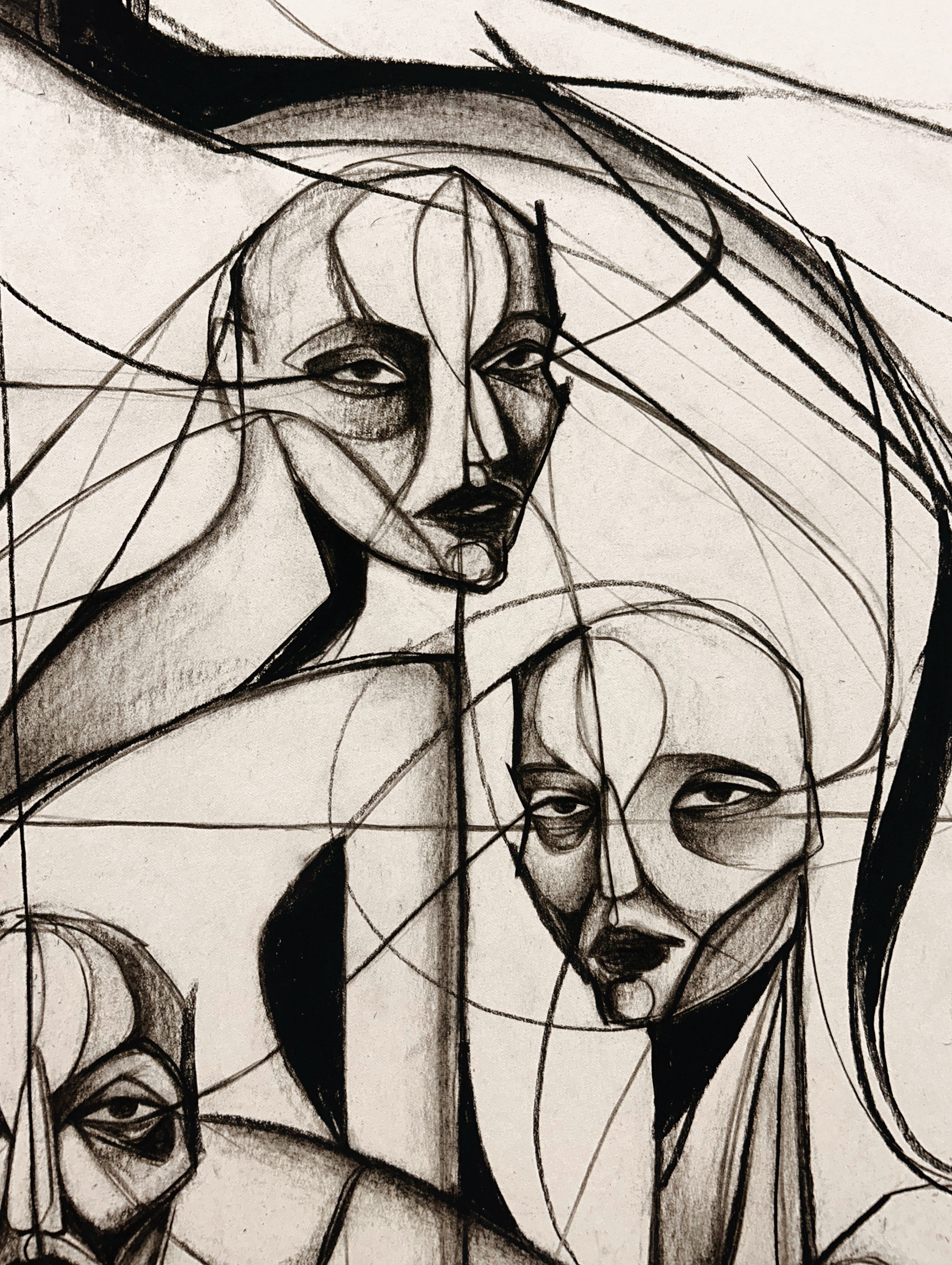
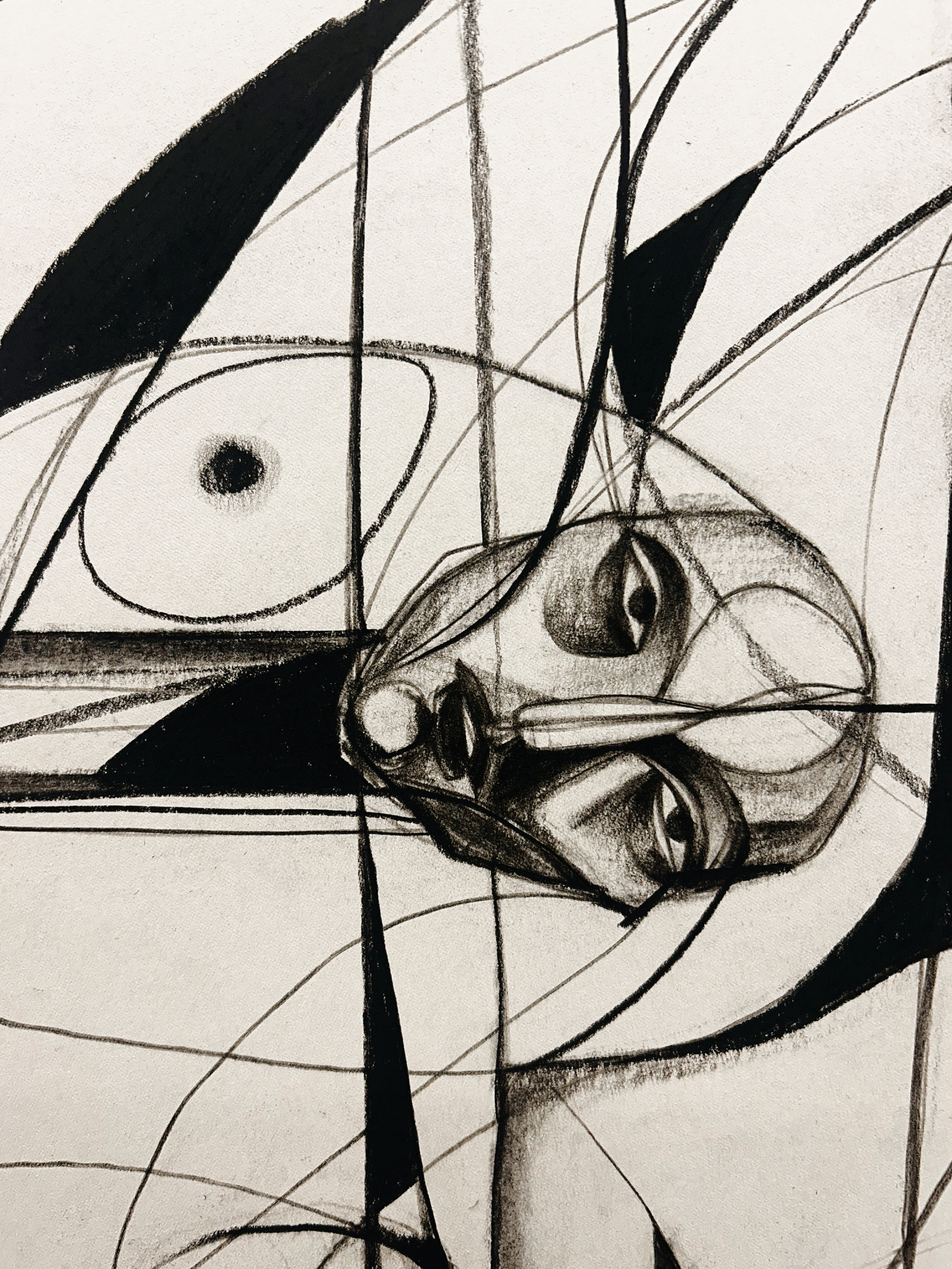
This study inspired Nuestra Madre Indígena (“Our Indigenous Mother”), a work that seeks not only to remember history, but to honor it. The piece pays homage to the Indigenous mother, the silenced origin. Her pain is not hers alone; it lives within us, carried through generations by us, her daughters. Through this work, I reclaim her presence, recognizing that our identities are shaped not only by conquest, but by the resilience of the mother who survived it. To understand our identity, we must first see her.